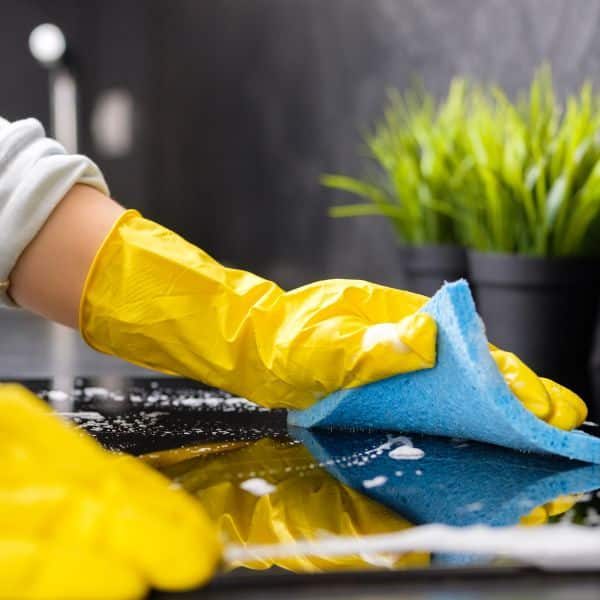
How to Clean Walls Without Removing Paint?
Walls are often the most overlooked surface in a home, yet they collect dust, fingerprints, and accidental scuffs daily. Many homeowners fear that cleaning their walls will strip the paint or leave unsightly streaks, but with the right approach, you can restore a fresh look without a single drop of touch-up paint.
At Vania’s Cleaning Services, we treat walls with the same precision we apply to fine furniture. Here is how to clean your walls while keeping the finish intact.
Quick Answer: Safest Way to Clean Painted Walls
The safest method is a “less is more” approach: use a soft, damp microfiber cloth and a solution of warm water mixed with a drop of mild dish soap. Always wring your cloth until it is barely damp to avoid water streaks, and work in small, gentle sections.
Know Your Paint Type
Before you grab a bucket, you must identify your finish. This dictates how much “scrubbing” the wall can withstand:
- Flat/Matte: Highly porous and delicate. These paints do not hold up well to scrubbing; they absorb moisture and can easily “burnish” (get shiny spots) if rubbed too hard.
- Eggshell: A slight sheen that is slightly more durable than flat paint but still sensitive.
- Satin: A popular choice for high-traffic areas; it handles gentle washing well.
- Semi-Gloss: The most durable option. It resists moisture and friction, making it the easiest to clean.
The Cleaning Toolkit
- Microfiber Cloths: Better than sponges, which can be too abrasive for matte finishes.
- Mild Dish Soap: Specifically a clear, dye-free formula.
- Two-Bucket System: One bucket for the soapy solution, one for clean rinse water.
- Soft Sponge: Use only if the wall is semi-gloss and the mess is stubborn.
How to Clean Walls Step by Step
- Dust First: Never skip this. Use a duster or a dry microfiber cloth to remove loose cobwebs and dust. If you get a dusty wall wet, you will turn the dust into mud and smear it.
- The Spot Test: This is the most important step. Apply your cleaner to an area behind a door or inside a closet. Let it dry completely to ensure the paint doesn’t peel, discolor, or lose its sheen.
- Top to Bottom: Start at the ceiling and work your way down. This prevents dirty water from dripping onto areas you’ve already cleaned.
- Gentle Wiping: Dip your cloth in soapy water and wring it out until it is just damp. Gently wipe in circular motions.
- Rinse and Buff: Immediately follow with a cloth dampened only with clean, plain water to remove soap residue. Finally, use a dry towel to buff the area dry.
Handling Scuff Marks
For black scuffs from shoes or furniture, skip the soap and water first. Try a soft white eraser or a specialized melamine sponge (like a “Magic Eraser”)—but use it very lightly. These are essentially fine sandpaper and can remove your paint finish if you scrub too vigorously.
What Not to Use
- Abrasive Cleaners: Avoid scouring powders, steel wool, or rough sponges.
- Harsh Chemicals: Ammonia, bleach, or heavy degreasers can strip the binders out of the paint, causing it to flake.
- Excessive Moisture: If the wall gets too wet, the drywall underneath can swell, leading to bubbling paint.
When to Repaint Instead
Sometimes, a wall is beyond cleaning. If the paint is peeling, water-stained, or if the scuffs are so deep they’ve removed the pigment, cleaning won’t help. At this point, a professional touch-up is a better investment than further scrubbing.
FAQ
What is the best thing to wash painted walls with?
Warm water with a drop of mild dish soap is the gold standard. It is effective enough to remove grime but gentle enough to protect the paint’s finish.
Can Magic Eraser remove paint?
Yes. Because they are abrasive, “Magic Erasers” can strip paint sheen or even the paint itself if you use them on matte/flat paints. Always test in an inconspicuous area first.
How do you clean flat painted walls?
Clean flat paint as little as possible. Dust them regularly, and if you must wash them, use only a slightly damp cloth with very light pressure. Avoid scrubbing at all costs.
Can vinegar damage wall paint?
Yes. The acidity in vinegar can break down the binders in paint over time, causing it to lose its finish or potentially lead to discoloration.
How often should walls be cleaned?
A light dusting every few months is usually enough. A full “wash” is only necessary when you notice visible fingerprints, dirt buildup, or before you plan to paint or redecorate.
Need a home that feels truly refreshed? At Vania’s Cleaning Services, we provide professional deep-cleaning that covers every detail, ensuring your walls and surfaces look immaculate.
Click here to get your free cleaning estimate from Vania’s Cleaning Services today!