Steam Cleaning vs Traditional Cleaning Methods
The debate between steam and traditional cleaning is common. Should you rely on the high-heat power of water vapor, or is the tactile, product-based approach of traditional cleaning still king? At Vania’s Cleaning Services, we use both, but we recognize that they serve very different purposes. Here is the professional breakdown to help you choose the right approach for your home.
Quick Answer: Which Cleaning Method Works Better?
Neither is universally “better”—it depends on the surface. Steam cleaning is superior for sanitizing non-porous surfaces and loosening stubborn, caked-on grime. Traditional cleaning (using high-quality surfactants and manual agitation) is safer for delicate materials like hardwood, natural stone, and certain types of vinyl, where excess heat and moisture can cause damage.
Understanding the Methods
- Steam Cleaning: Uses a machine to heat water to over 200°F (93°C), turning it into vapor. The vapor expands and loosens dirt, while the heat helps to sanitize surfaces.
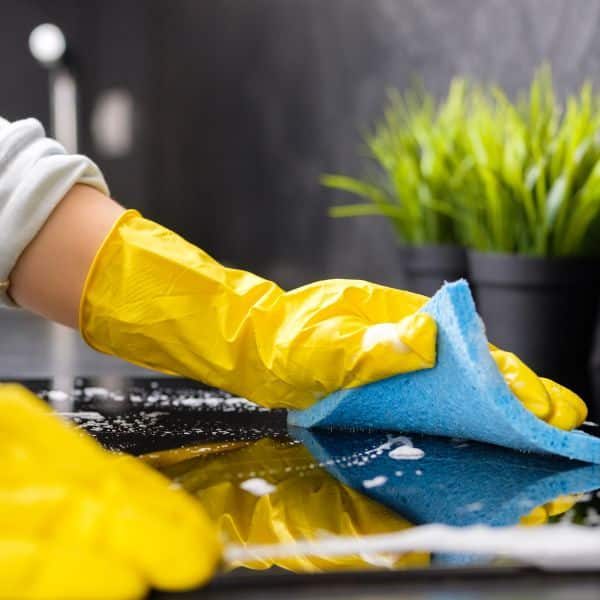
- Traditional Cleaning: Involves the use of cleaning agents (detergents, pH-neutral soaps) and mechanical friction (cloths, mops, brushes). It relies on the chemical “lifting” power of soap to break down soil.
Steam Cleaning: The High-Heat Specialist
Pros
- Deep Sanitization: High temperatures effectively kill dust mites, bacteria, and some viruses without chemical residues.
- Grease-Cutting: Steam is incredibly effective at liquefying hardened grease on stoves or oven doors.
- Chemical-Free: Ideal for households sensitive to artificial fragrances or chemical cleaners.
Cons
- Moisture Risks: Steam can force moisture into seams, which can cause swelling in particle board or laminate.
- Surface Sensitivity: You cannot use steam on everything. It can “melt” certain wax finishes, warp hardwood, or cause discoloration on delicate fabrics.
Traditional Cleaning: The Precision Specialist
Pros
- Versatility: You can customize your product—pH-neutral for stone, degreaser for kitchens, glass cleaner for mirrors—ensuring surface integrity.
- Controlled Moisture: By using a damp (rather than wet) cloth or mop, you maintain total control over how much water touches your floor.
- Stain Management: Some stains (like ink or dye) react poorly to heat; traditional cleaning allows for gentle, chemical-specific treatment.
Cons
- Residue Potential: If you use too much soap or don’t rinse properly, you can leave a sticky film that attracts more dirt.
- Time-Intensive: Manual scrubbing takes more physical effort than a machine-assisted process.
Surface-by-Surface Recommendation
- Floors: Use traditional cleaning for wood and vinyl; save steam for tiled areas with heavy grout build-up.
- Bathrooms: Steam cleaning is excellent for sanitizing shower tiles and faucets.
- Kitchens: Use steam for deep-cleaning oven racks and range hoods; use traditional cleaning for your countertops and cabinets.
Critical Safety Mistakes
- Don’t Steam Your Hardwood: Even if a steam mop says “safe for wood,” frequent use can cause the planks to warp or the finish to turn hazy.
- Don’t Forget to Rinse: The biggest mistake in traditional cleaning is failing to rinse away soap residue. Always follow up with a plain water rinse to leave surfaces truly clean.
FAQ
Is steam cleaning better than regular cleaning?
It is better at sanitizing and loosening heavy grease, but “regular” (traditional) cleaning is better at maintaining surface finishes and preventing water damage.
What surfaces should not be steam cleaned?
Hardwood, laminate, unsealed stone, and certain antique furniture pieces should never be steam cleaned.
Does steam cleaning disinfect?
Yes, if the steam is hot enough and remains on the surface for the manufacturer’s recommended time, it can kill most common household pathogens.
Can steam cleaning damage floors?
Absolutely. High heat and trapped moisture can cause planks to expand, peel, or warp, especially in tongue-and-groove flooring.
When is traditional cleaning better?
When you are cleaning delicate surfaces, painted walls, or high-maintenance finishes that require specific pH-balanced chemistry to stay protected.
Want the professional touch for your home? At Vania’s Cleaning Services, we know exactly which method—steam or traditional—is best for every square inch of your home.
Click here to get a free cleaning estimate from Vania’s Cleaning Services today!