How to Clean a Glass Cooktop Without Scratches?
Quick Answer
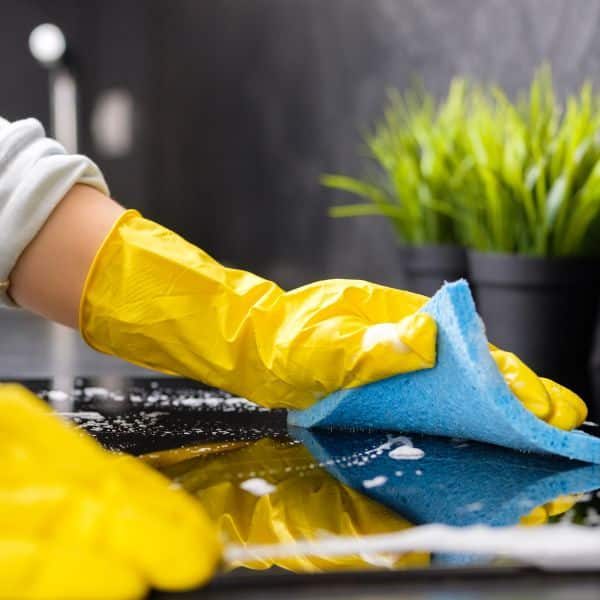
To clean a glass cooktop without scratching the delicate ceramic surface, let the cooktop cool completely, wipe away loose debris, apply a safe glass cooktop cleaner or baking soda paste, scrub gently with a non-abrasive pad, and buff the surface dry with a microfiber cloth for a streak-free shine.
Why Glass Cooktops Scratch Easily
Glass-ceramic cooktops offer a sleek, modern look for your kitchen, but the material is surprisingly vulnerable. Unlike stainless steel or cast iron, glass can be easily permanently gouged or micro-scratched by trapped grit, abrasive scouring pads, or dragging heavy cookware across the burners.
What Not to Use
Abrasive pads
Never use steel wool, green scouring pads, or rough metal sponges, as these materials are harder than glass and will instantly leave permanent scratches.
Powder cleaners
Harsh powdered cleansers and abrasive scouring powders contain rough mineral particles that act like sandpaper on polished ceramic surfaces.
Too much pressure
Pressing down hard with scrapers or cleaning pads increases friction and risks cracking the glass under heavy force.
Safe Cleaning Method
Let the surface cool
Never attempt to clean a hot cooktop. Thermal shock can shatter the glass, and cleaning products will bake onto the hot surface, creating stubborn burned-on residue.
Remove loose crumbs
Wipe away loose food particles and grease splatters with a damp microfiber cloth before applying any cleaning solutions.
Soften stuck-on food
Apply a dedicated glass cooktop cream or a smooth paste made of baking soda and warm water to stubborn spots. Let it sit for 10 to 15 minutes to soften hardened grease.
Buff dry for a polished finish
Use a clean, dry microfiber cloth to buff the cooktop in circular motions until the surface is completely dry and streak-free.
How to handle burnt-on spots
For heavy, carbonized sugar or melted plastic spills, use a specialized razor blade scraper designed for glass cooktops at a 45-degree angle, keeping the blade flat and moving gently to lift the residue without gouging the glass.
Why kitchen detail cleaning protects appliances
Maintaining a pristine cooktop is part of a broader commitment to appliance care. To keep your entire cooking zone in peak condition, explore our expert guides on The Best Way to Clean an Oven and How to Clean a Range Hood Filter Properly. Incorporating appliance maintenance into a regular Kitchen Cleaning Checklist ensures your kitchen stays spotless effortlessly.
Keep kitchen surfaces cleaner with recurring service
Frequently Asked Questions
What is the best way to clean a glass cooktop?
The best way is to use a non-abrasive glass cooktop cleaner or baking soda paste with a soft microfiber cloth, followed by careful scraping for burnt-on spots.
Can I use baking soda on a glass cooktop?
Yes! Baking soda is naturally mild and gentle enough to lift grease and food residue on glass cooktops without scratching the surface.
What scratches a glass cooktop?
Steel wool, abrasive scouring powders, trapped dirt on the bottom of pots and pans, and dragging heavy cast iron cookware can all scratch glass cooktops.
How do I remove burnt food from a glass stove?
Soften the burnt food with a cooktop cleaning cream or baking soda paste, and gently remove it using a specialized single-edge razor scraper held at a shallow angle.
How often should I clean my cooktop?
You should wipe down your glass cooktop with a damp cloth after every use to prevent spills from burning on during your next cooking session.